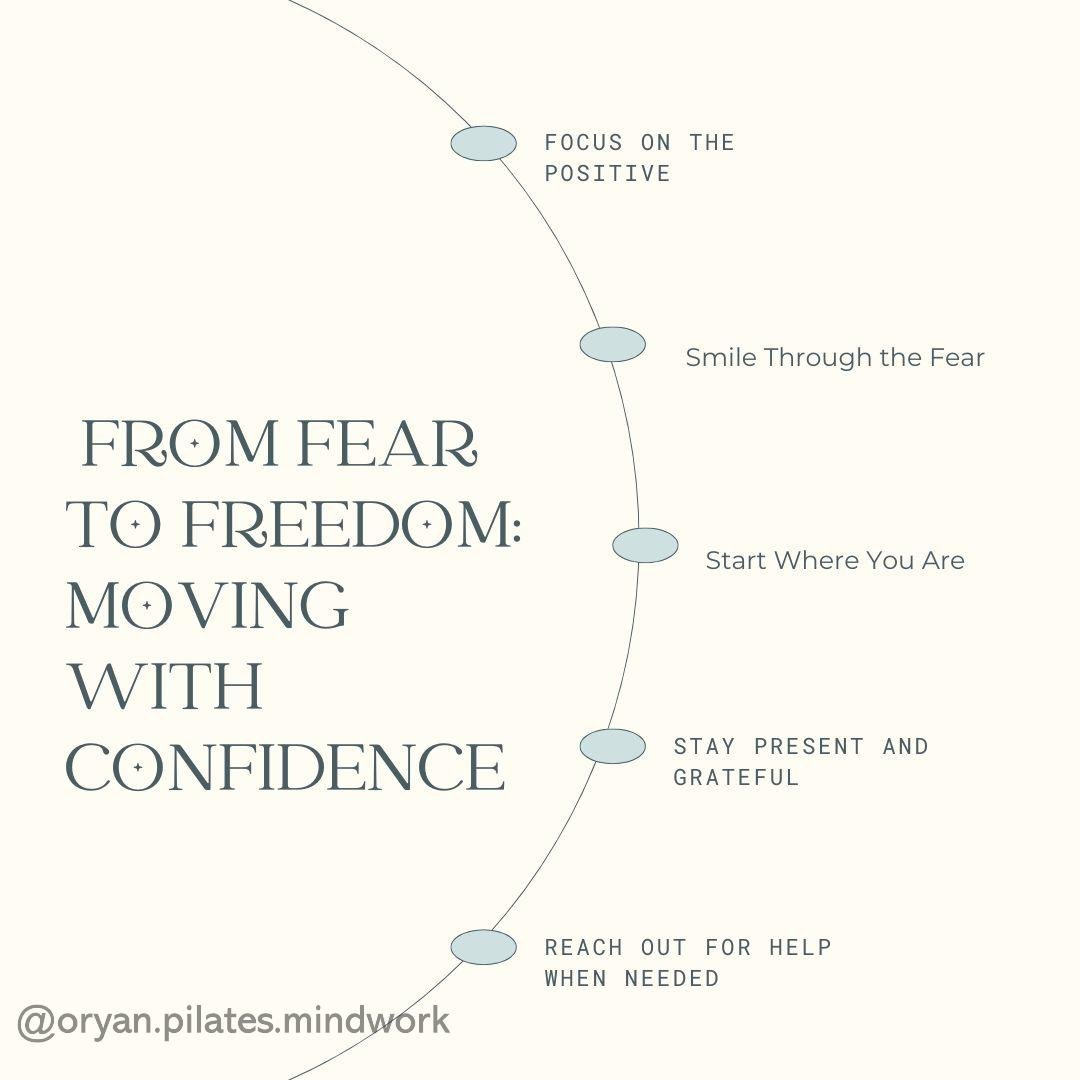
If you have experienced, or are currently finding yourself in a situation where you avoid a certain movement due to sensitivity or fear, know that you are not alone. Furthermore, this phenomenon is recognized in clinical literature as kinesiophobia – a fear of movement originating from the automatic defense mechanisms of the nervous system. In fact, studies show that between 50% and 70% of people experiencing pain develop a fear of movement. Sometimes, this halt recovery and delays the return to routine.
Many try to fight the pain by force. Conversely, others avoid movement completely and wait for it to pass. However, our nervous system and body do not respond well to coercion or paralysis. Instead, the body needs gentle movement, a sense of safety, and a space for adaptation.
1. The Physiological Mechanism: The Defense Mechanism of the Brain and Central System
The modern approach in pain science defines pain not as a direct indication of tissue damage, but rather as a defensive and natural output of the brain. When the brain interprets a certain movement as a potential threat, it triggers a pain signal or a protective muscle contraction.
Acute vs. Chronic Pain Scenarios
This protective mechanism occurs in two entirely different scenarios:
Acute pain: A physiological response to active tissue damage. In this state, a short and defined phase of load reduction is required.
Chronic pain: A phenomenon where the pain signal continues to operate even after the physical tissue has completely healed. Consequently, the source in this state is sensitisation – hypersensitivity of the central nervous system.
2. The Fear-Avoidance Model and the Impact of Paralysis
Scientific literature shows that prolonged rest and complete avoidance of movement do not reduce neural sensitivity. On the contrary, they feed the fear cycle, weaken muscular support, and increase the brain’s alertness.
Breaking the Cycle Through Graded Exposure
Therefore, the proven method in research to break out of this cycle is a process of graded exposure. Specifically, this means relearning movement at a pace that the nervous system can handle.
As a specialist in chronic pain recovery and movement rehabilitation, my work centers on helping you safely break free from the fear of movement, release psychological blocks, and rebuild trust in your body.
3. Clinical Application: Attentive Dialogue and Load Adaptation
Releasing the fear of movement is not a matter of a fixed exercise series. Instead, it is a matter of creating a renewed and attentive connection with the body. Since the nervous system varies from person to person, the process relies on precise management of loads according to sensitivity.
High vs. Low Irritability Management
High Irritability: First, we begin with gentle stimulus regulation – working in supported postures and incorporating breathing patterns to calm the system.
Low Irritability: Then, we focus on the gradual expansion of the movement range and the restoration of functional freedom.
Clinical monitoring metric: A proper rehabilitation process is based on a normative response. If an exacerbation of symptoms does not return to baseline within 24 hours, it indicates an overload, requiring a readjustment of the movement dosage.
4. Personalized Movement Guidance
A safe return to movement requires a held space, movement assessment, and continuous fine-tuning. Ultimately, the rehabilitation process is built step-by-step out of full listening to your body.
Choose Your Path Forward
Online Pilates & Movement sessions – Build strength and movement confidence at your own pace.
Active Aging training – Specialized movement designed for safe, supportive strengthening.
1-on-1 Chronic Pain Recovery Guidance – Tailored private work focusing on chronic pain and releasing physical-mental blocks.
Next Steps and Personal Consultation
Want to understand how to act correctly when pain appears during a workout? Read the article: What to do when it hurts during a workout?
Do you have more questions and want to talk? Click here for a free personal consultation with me