“I feel like my body is simply betraying me.”
“These symptoms are running my life. I no longer feel like a free person.”
When living with chronic pain, fibromyalgia, migraines, or persistent physical symptoms, people often feel as though there is no way out of the loop.
Medical tests sometimes show clear findings. Sometimes they reveal changes, but those changes do not fully explain the intensity of the pain. Other times tests are relatively normal, even though the symptoms remain very real and significantly impact everyday life. People naturally conclude that something must be “broken,” or that doctors simply haven’t found the problem yet.
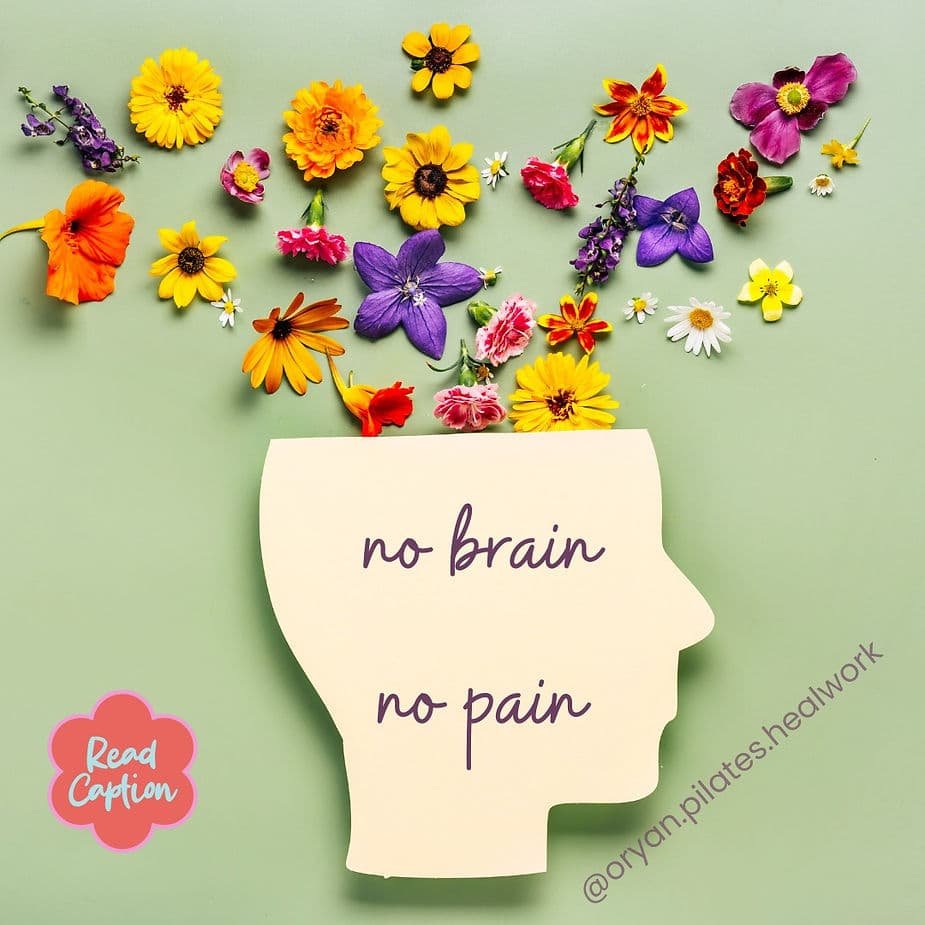
However, pain is far more complex than that. Pain does not arise solely in the place where it feels localized. The nervous system, the brain, the body, and the overall context shape the entire experience. This does not mean that pain is “just in the head.” The physical sensations are completely real, and their daily impact is genuine.
What Is Pain, Exactly?
The International Association for the Study of Pain (IASP) defines pain as “an unpleasant sensory and emotional experience associated with, or resembling that associated with, actual or potential tissue damage.” In short, pain does not act as a direct measurement of tissue damage.
The same physical finding often triggers very different levels of pain in different individuals. Furthermore, significant pain frequently occurs without any clear structural finding that fully explains it. Recognizing this reality requires looking far beyond the tissues themselves.
What Is Pain, Exactly?
The International Association for the Study of Pain (IASP) defines pain as “an unpleasant sensory and emotional experience associated with, or resembling that associated with, actual or potential tissue damage.”
In other words, pain is not simply a direct measurement of tissue damage.
The same physical finding can be associated with very different levels of pain in different people. Significant pain can also occur when there is no clear structural finding that fully explains it.
This is one reason why understanding pain requires looking at more than the tissues themselves.
The Brain Is Not Just a “Screen” Where Pain Is Felt
When injury, irritation, or other bodily changes occur, the nervous system processes this incoming information. The brain and nervous system then interpret these signals, and numerous factors influence the resulting experience of pain. These factors include:
Information coming from the tissues
Nervous system activity
Attention and focus
Memories and previous experiences
Expectations
The level of perceived threat or safety
Sleep and fatigue
Physical and emotional load
Social and environmental context The nervous system constantly asks two vital questions: “What is happening in the body?” and “What does this situation mean right now?” This distinction explains why identical physical sensations feel entirely different at different times or under varying circumstances.
What Happens When Pain Continues Over Time?
Acute pain and persistent pain differ fundamentally in how the body experiences them. When pain lingers over a long period, the nervous system can develop heightened sensitivity to sensory input. Experts use the term nociplastic pain to describe specific forms of persistent pain. The IASP defines nociplastic pain as pain arising from altered nociception, without clear evidence of actual or threatened tissue damage that adequately explains it, and without evidence of a somatosensory lesion or disease. Nociplastic pain never implies that the suffering is imaginary or psychological; rather, multiple pain mechanisms frequently overlap. Understanding this shifts our perspective: instead of asking only, “What is damaged?”, we can begin to ask, “How is the nervous system processing what is happening?”
The Importance of Medical Assessment
A nervous-system approach works alongside medical evaluation rather than replacing it. When symptoms are new, unusual, or severe, proper medical diagnosis remains essential. Imaging, blood tests, and clinical evaluations help identify or rule out critical underlying conditions. Even after thorough medical evaluations, the complete picture often extends beyond physical findings. Sleep quality, stress levels, fear, attention, and expectations heavily influence persistent pain.
How Can the Nervous System Become More Sensitive?
The nervous system learns continuously from experience. Prolonged pain, physical injury, repeated physical loads, sleep deprivation, ongoing stress, and repeated threat signals all alter how the nervous system processes information. Over time, neutral or manageable stimuli may begin triggering discomfort, pain, or heightened feelings of threat. Crucially, nervous-system sensitivity is not permanent. The human nervous system maintains the capacity to adapt and change throughout life.
capable of changing and adapting throughout life.
What Happens During a Flare-Up or Wave of Symptoms?
A familiar sensation may appear, and the first thought might be:
“Here it starts again.”
From there, a possible chain can develop:
Sensation → threatening interpretation → fear or increased alertness → greater attention to the body → more monitoring → more sensations → more pain or distress
This is not the only mechanism involved in pain, but it can become part of a cycle that maintains suffering and limitation.
When the body is being monitored constantly, questions may repeatedly appear:
“Does it still hurt?”
“Is it getting worse?”
“Maybe I have caused damage?”
“Maybe I shouldn’t move?”
The more attention is directed toward detecting danger, the more difficult it can become to experience the body without immediately interpreting every sensation as a warning.
Why Can Fear Increase the Experience of Pain?
Fear is never a choice. When the nervous system detects potential danger, attention locks onto physical signals. Over time, pain associates closely with threat, fostering fear of movement, activity, or specific bodily sensations. Short-term avoidance makes intuitive sense. Stepping back from perceived danger feels safe. However, as avoidance expands—less walking, reduced exercise, fewer social outings—life gradually shrinks. The ultimate goal is not ignoring pain, but cultivating a different relationship with sensations, movement, and perceived safety.
Body and Mind Are Not Two Separate Worlds
Stress, emotions, sleep disturbances, and fear directly influence pain experiences, but this does not render the pain “psychological.” The brain and body operate as an interconnected whole. While positive thinking cannot magically erase pain, and stress does not cause every symptom, considering the entire system yields profound insights.
What Can Help and What Is Better to Avoid?
What Can Help?
1. Create more experiences of safety in the body
Pleasant everyday activities and gradual experiences of confident movement can help create new experiences in which movement or bodily sensations are not automatically interpreted as a threat.
The goal is not to convince the body that there is “no pain.” It is to gradually create experiences in which pain or sensations do not automatically lead to fear, avoidance, or restriction.
2. Calm and regulate the system during the day
Taking a pause, reducing stimulation, slowing down, and bringing attention back to breathing or bodily sensations can be useful.
This does not “turn off” pain or solve everything instantly. It can simply become one part of a broader approach to regulation and coping.
3. Look at the whole picture
Pain does not exist in isolation.
Sleep, emotions, physical load, thoughts, behaviors, movement, and the surrounding environment can all interact with the experience of pain.
It is therefore usually more useful to look at the overall pattern than to search for one single explanation.
What Is Better to Avoid?
1. Don’t let pain shrink your entire life
Resting or slowing down when needed is completely reasonable.
The problem is when pain gradually starts making every decision until life revolves around avoiding symptoms.
The goal is to find a middle ground between pushing through everything and avoiding everything.
2. Don’t push to the limit
Reducing fear of movement does not mean ignoring the body or forcing through significant pain.
If a particular activity or load is too much, it may be appropriate to pause, modify the activity, reduce the load, or explore another way of doing it.
3. Don’t expect miracles in two days
Patterns that have developed over months or years usually require time, practice, experimentation, and adjustment.
There may be setbacks. There may be days when symptoms increase.
Progress does not have to mean that every symptom disappears. It can also mean having more flexibility, confidence, and choice in how to respond.
How Can We Move Forward in the Long Term?
The goal is not to fight pain at all costs.
It is also not necessarily to reach a state of zero pain.
A longer-term process can involve understanding how the nervous system responds, reducing unnecessary fear and alertness, and gradually building a safer and more flexible relationship with the body.
Repeated experiences in which sensations do not automatically lead to fear, avoidance, or major restrictions may help create different responses over time.
This is a process, not a magic trick.
Symptoms may not disappear completely, but their place in life can change.
For people who have been caught in a cycle of pain and heightened alertness for years, applying these ideas alone can sometimes be difficult. [Link to Chronic Pain Coaching page: Chronic Pain Coaching] can provide a more personalized process for exploring these patterns and finding practical ways forward.
What Factors Can Influence the Experience of Pain?
There is no single “type” of person who develops chronic pain, and there is no single emotional factor that explains it.
However, some factors that may influence the experience of pain include:
Long periods of stress or responsibility
Poor sleep or ongoing fatigue
Ongoing physical or emotional load
Fear of symptoms or movement
Increased attention to bodily sensations
Significant life experiences
Past or current trauma
Major life changes or transitions
Avoidance or coping patterns that have developed over time
Worry and repetitive thinking
The presence of one or more of these factors does not mean the pain is “in your head.” You can view them as part of the context in which the nervous system and body are coping.
And sometimes, instead of asking: “What is wrong with me?” We can start asking: “What are my body and system trying to cope with right now?”And What About Movement?
For some people, adapted movement can be an important part of the path back to activity and body confidence. You can incorporate movement work according to ability, goals, and personal condition. You are welcome to join online Pilates and movement classes.You Don’t Have to Stay Alone in the Loop
When living with pain for a long time, it is sometimes hard to see the pattern from the outside.
You can know a great deal about pain and still struggle to apply the knowledge the moment the body enters a state of hypervigilance.
This is where personal accompaniment can be meaningful. In the accompaniment I offer, the goal is not to “fix” the body, but to better understand the connection between pain, the nervous system, thoughts, behaviors, and movement—and to gradually build ways of responding that fit the individual and their life.
There is no magic solution and no single formula that fits everyone. There is a process of understanding, experimentation, adaptation, and the gradual building of greater confidence and flexibility.